
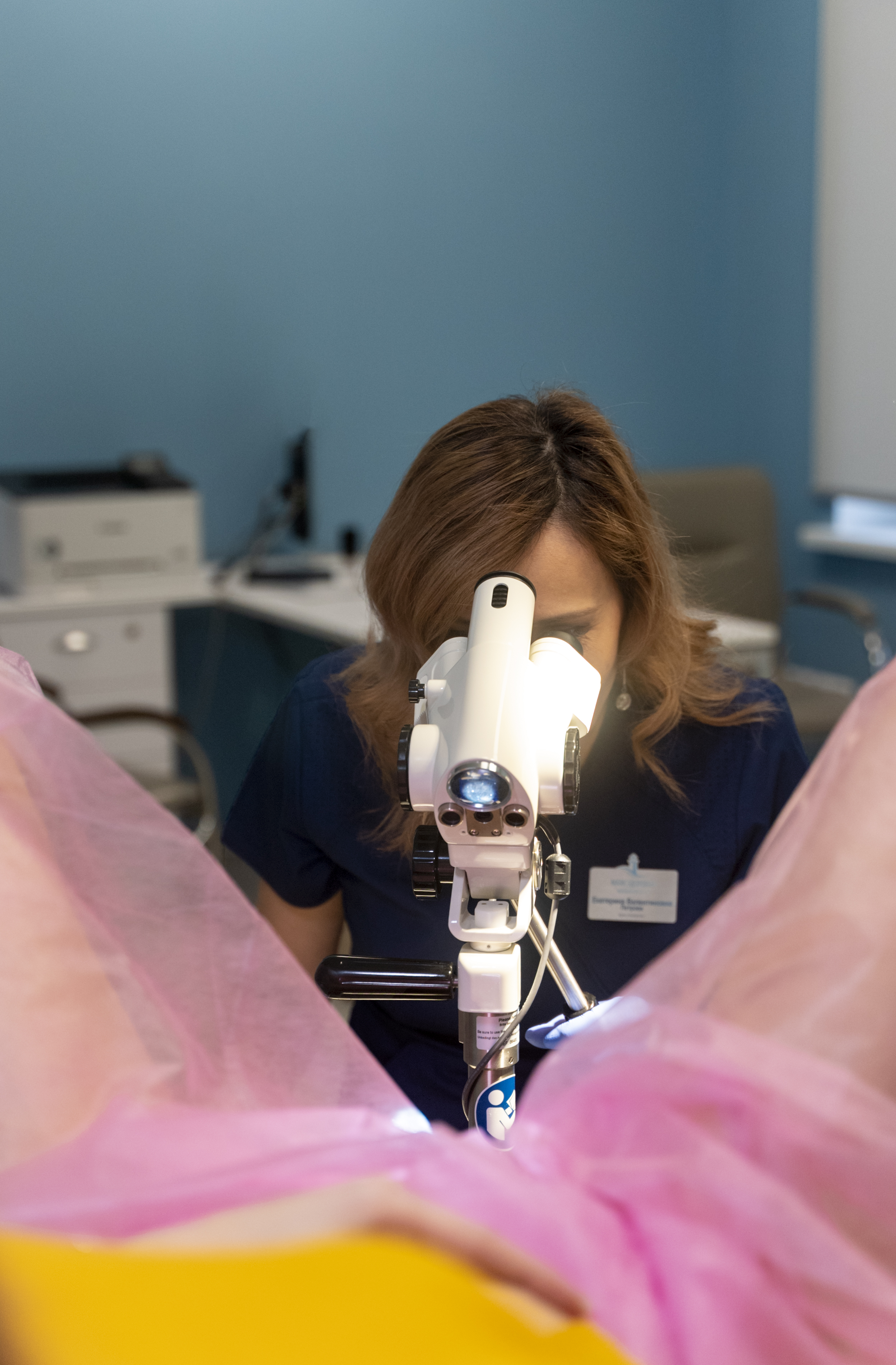
Laparoscopic surgery has revolutionized gynecology by allowing complex procedures to be performed through small incisions with minimal pain, bleeding, and downtime. It offers women a safer, quicker, and more comfortable alternative to traditional open surgeries. These procedures are performed using a thin camera (laparoscope) that provides a clear, magnified view of the pelvic organs, enabling precise surgical correction.
Conditions such as fibroids, ovarian cysts, endometriosis, adhesions, and ectopic pregnancies can be effectively treated using laparoscopy. The most common procedures include uterus removal (hysterectomy), myomectomy, endometriotic cystectomy, and bladder adhesiolysis. These surgeries not only relieve symptoms like pain and heavy bleeding but also help preserve fertility whenever possible.
Laparoscopic gynecological surgeries are performed with utmost precision, ensuring minimal scarring and a quick return to normal activities. With advancements in surgical techniques and instruments, even complex operations like radical hysterectomy can be done laparoscopically with excellent outcomes. It’s a modern approach that blends safety, speed, and superior recovery — helping women heal faster and live healthier.

Minimally invasive removal of the uterus to treat conditions like fibroids, heavy bleeding, or malignancy while ensuring faster recovery.
Laparoscopic removal of ovarian cysts to relieve pain and preserve healthy ovarian tissue for fertility.
Surgical removal of uterine fibroids via laparoscopy to restore normal uterine function and improve fertility.
Complete removal of the uterus using small incisions, minimizing pain and scarring.
Safe laparoscopic treatment of ectopic pregnancies to preserve reproductive organs and prevent complications.
Precise removal of endometriotic ovarian cysts to reduce pain and improve fertility.
Laparoscopic release of pelvic adhesions involving the bladder to restore normal organ function.
Advanced surgical removal of the uterus, surrounding tissues, and lymph nodes for certain gynecological cancers.
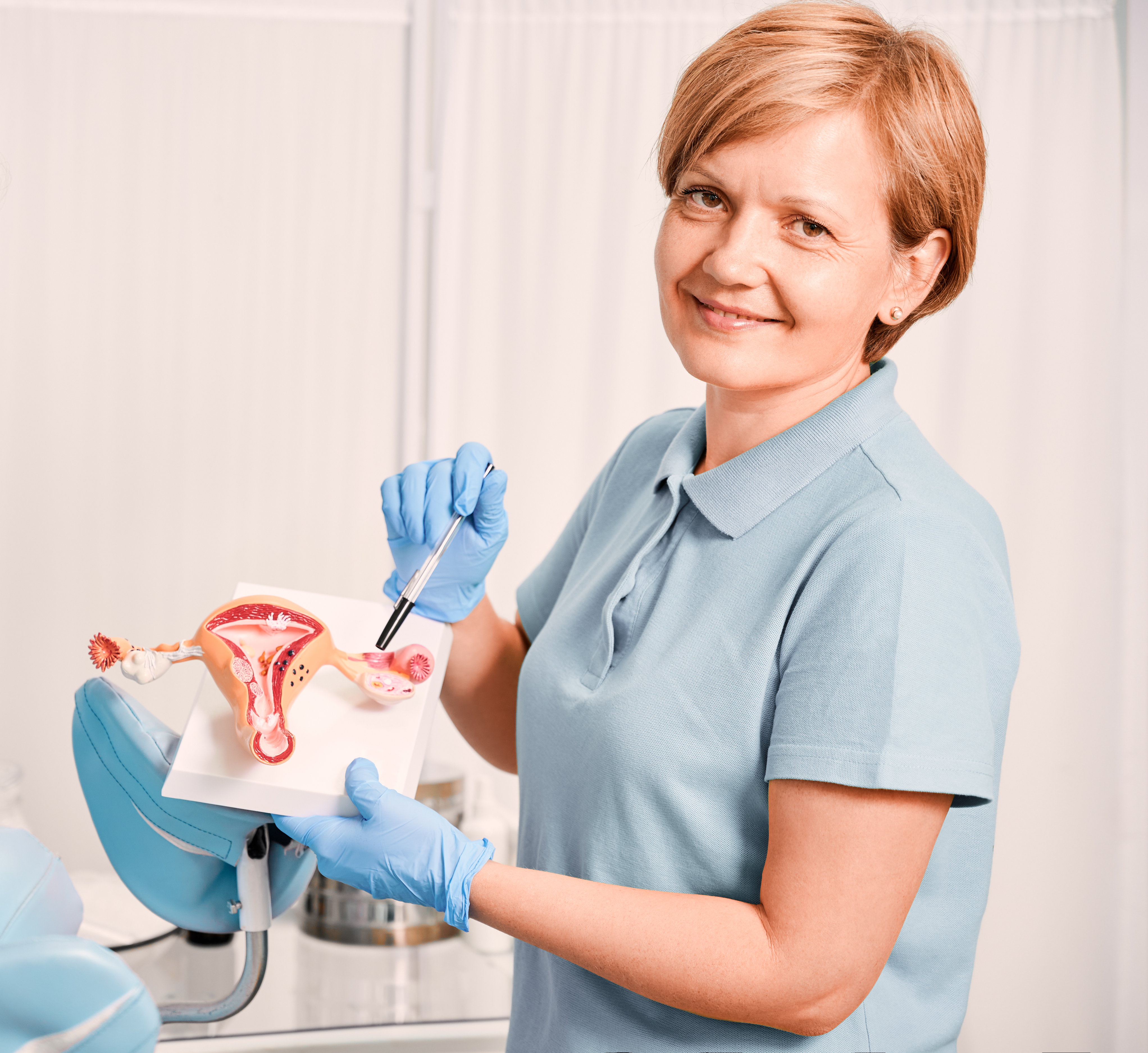
Vaginal surgeries are an essential part of gynecological care, focusing on restoring normal structure and function of the pelvic organs. These procedures are performed through the vaginal route, making them minimally invasive and cosmetically appealing. They often require no external incision, which means faster recovery and less discomfort.
Common vaginal surgeries include uterus removal (vaginal hysterectomy), cystocele and rectocele repair, cervical cerclage, vaginal cyst removal, and management of Bartholin cysts. These surgeries address issues like pelvic organ prolapse, cysts, and cervical incompetence — all of which can impact a woman’s comfort, confidence, and reproductive health.
Each procedure is performed with precision to ensure natural anatomy is preserved and function restored. For elderly women or those not seeking future fertility, procedures like colpocleisis provide lasting relief from severe prolapse. Vaginal surgeries empower women to regain control of their health, comfort, and quality of life with minimal downtime and excellent results.
Vaginal hysterectomy for treating uterine conditions through a minimally invasive approach.
Placement of a cervical stitch to prevent preterm birth in women with a weak or incompetent cervix.
Safe and precise excision of vaginal cysts to relieve discomfort, restore normal function, and prevent infection.
Surgical correction of bladder and rectum prolapse to restore pelvic support.
Treatment of Bartholin gland cysts to reduce pain and avoid recurrence.
Minimally invasive closure of the vaginal canal to treat severe prolapse in elderly or non-fertility-seeking women.
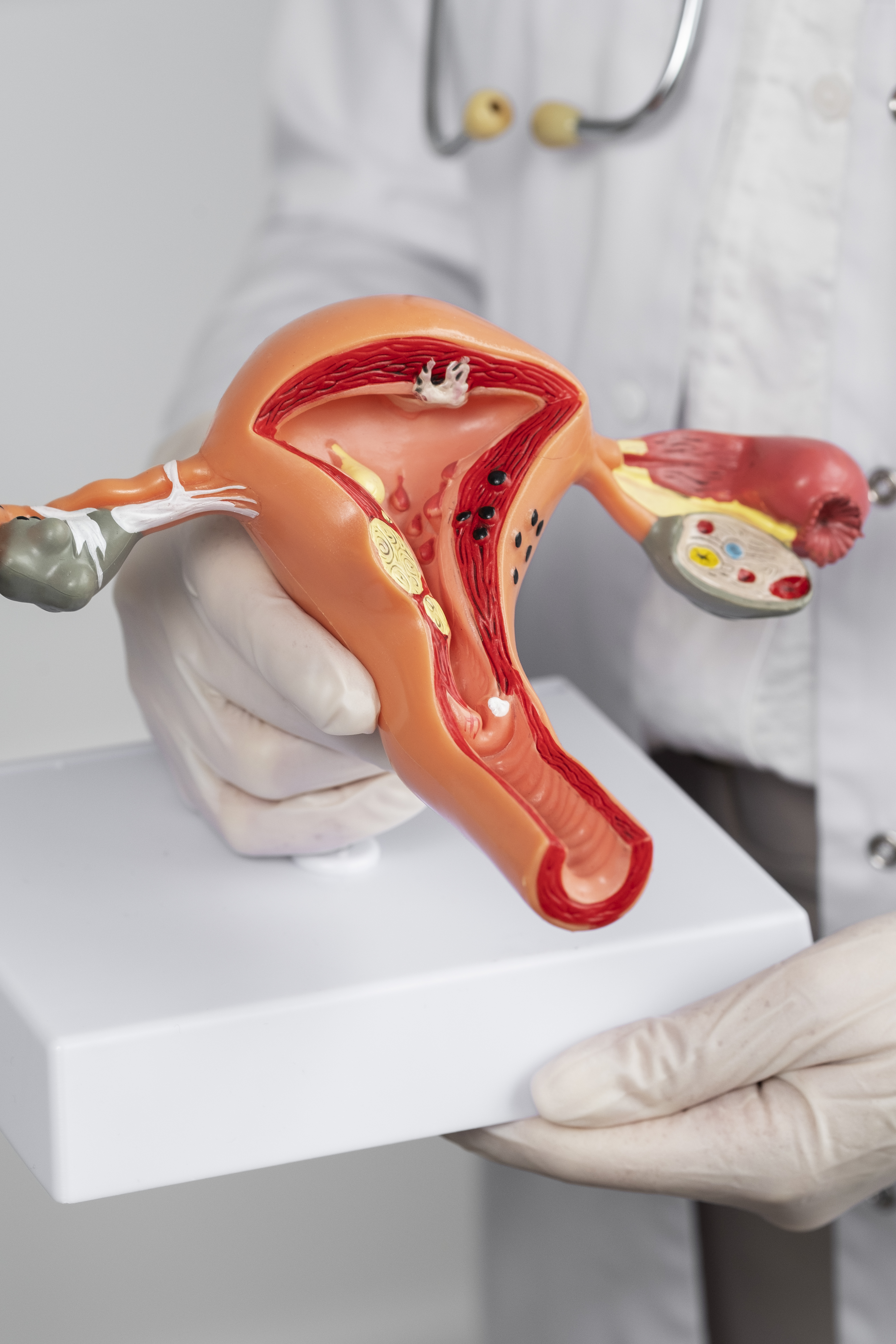
Hysteroscopy is a minimally invasive diagnostic and therapeutic procedure that allows direct visualization of the uterine cavity. It’s a breakthrough technique for detecting and treating conditions affecting the inner lining of the uterus — crucial for improving fertility and managing abnormal bleeding.
Common hysteroscopic procedures include removal of fibroids, polyps, and septum, as well as treatment for misplaced IUCDs, isthmocele, and cornual ectopic pregnancies. Using advanced micro-instruments, these surgeries are performed through the cervix without any external cuts, resulting in almost no pain and extremely fast recovery.
Hysteroscopy is also vital in fertility care, as it helps optimize the uterine environment for embryo implantation. Procedures like TCRE (Transcervical Resection of the Endometrium) help control excessive menstrual bleeding, while septum or polyp removal improves conception rates. In short, hysteroscopic procedures are precise, safe, and effective tools that restore uterine health and support women’s reproductive goals.
Minimally invasive removal of uterine fibroids through hysteroscopy to improve fertility and reduce bleeding
Correction of uterine septum to reduce miscarriage risk and improve pregnancy outcomes.
Safe hysteroscopic extraction of intrauterine devices positioned incorrectly.
Precise excision of uterine polyps to restore normal uterine lining and enhance fertility.
Surgical correction of C-section scar defects to improve fertility and reduce bleeding.
Hysteroscopic treatment of ectopic pregnancies located in the uterine cornua.
Treatment of abnormal uterine bleeding by removing the uterine lining.
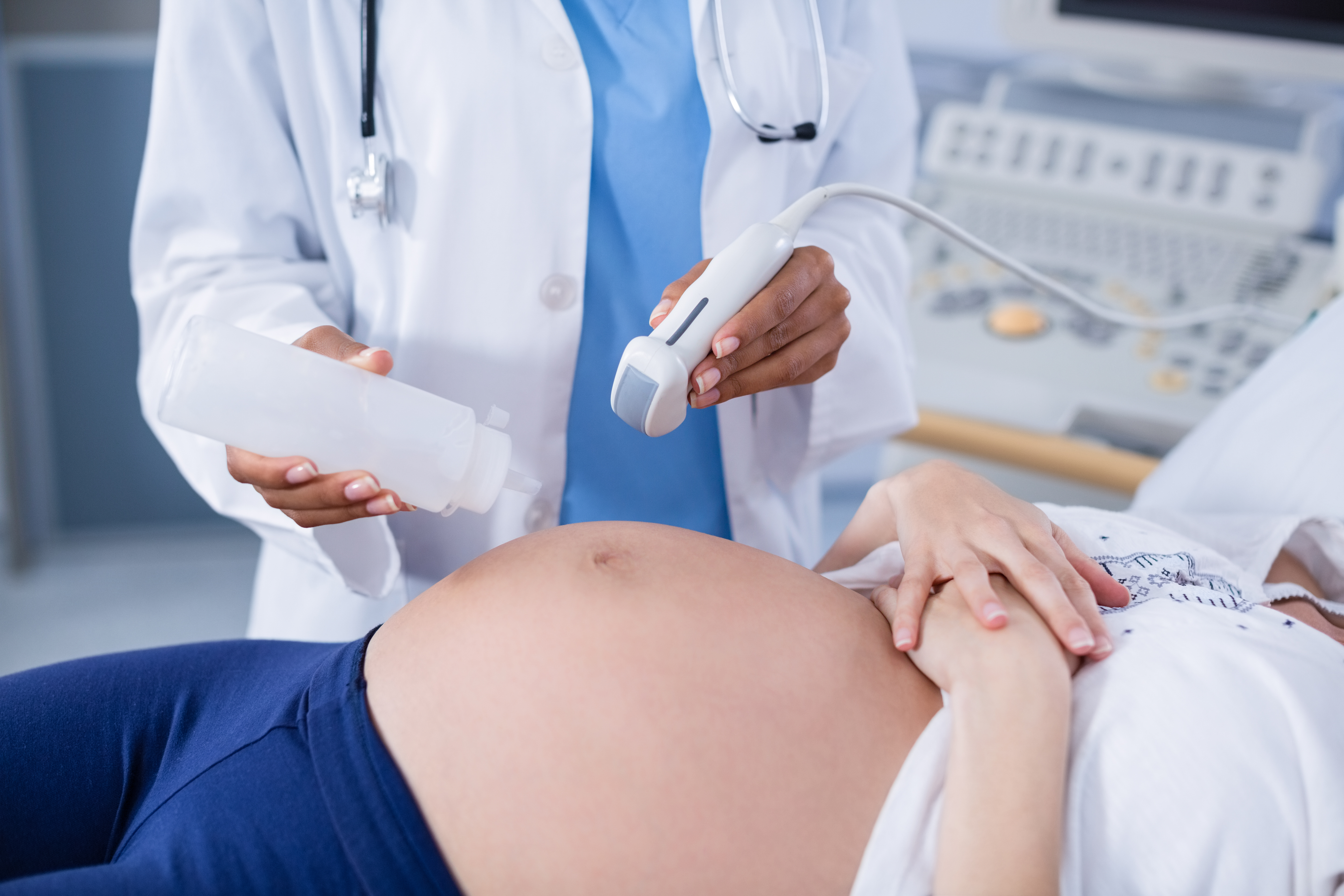
Obstetric care forms the foundation of maternal and fetal well-being. Managing pregnancies — especially high-risk ones — requires expertise, vigilance, and compassion. Every pregnancy is unique, and timely medical attention ensures a safe journey from conception to delivery.
High-risk pregnancies include those with complications like recurrent abortions, Rh-negative blood types, heart disease, or liver disorders (IHCP). Conditions like heterotopic pregnancy and VBAC (vaginal birth after cesarean) demand specialized care and monitoring. Obstetric specialists work closely with each patient to create personalized plans ensuring the health of both mother and baby.
From preconception counseling to delivery and postpartum care, modern obstetrics focuses on prevention, early detection, and intervention. With advanced monitoring tools, safe delivery methods, and experienced specialists, mothers can feel confident knowing they’re in capable hands. The goal is always the same — a healthy baby, a safe mother, and a joyful birth experience.
Specialized care for pregnancies with medical or obstetric complications to ensure maternal and fetal safety.
Comprehensive management of unique obstetric cases requiring careful monitoring and treatment.
Diagnosis and treatment strategies to prevent repeated pregnancy losses and improve outcomes.
Coordinated care for expectant mothers with cardiac conditions to ensure safe pregnancy.
Management of rare simultaneous intrauterine and ectopic pregnancies for maternal safety.
Monitoring and treatment to prevent Rh incompatibility complications during pregnancy.
Support and monitoring for women attempting safe vaginal birth after previous C-section.
Management of liver disorder in pregnancy to safeguard mother and baby.
Certain gynecological and fertility conditions require rare but highly specialized surgical interventions. These procedures are often complex and demand advanced laparoscopic skills and experience to ensure safety and precision.
Operations like mesh repair for vault prolapse, sacrospinous fixation, laparoscopic cerclage, and laparoscopic scar ectopic management are performed to correct complications that conventional methods cannot. Similarly, advanced cases of endometriosis (Grade II–IV) and metropathy are handled with extreme care to restore normal pelvic anatomy and fertility.
These rare surgeries demonstrate the remarkable progress of modern gynecology, where even the most challenging cases can be managed with minimally invasive techniques. By combining technology, surgical expertise, and patient-centered care, these procedures give women hope and healing in situations that once seemed impossible.
Surgical restoration of pelvic support after hysterectomy using mesh for long-term stability.
Precise removal of fibroids through minimally invasive laparoscopy to restore uterine health.
Advanced laparoscopic management of severe endometriosis to relieve pain and enhance fertility.
Placement of cervical stitch via laparoscopy in women with repeated miscarriages.
Surgical correction of uterine abnormalities to improve fertility, enhance conception chances, and optimize pregnancy outcomes.
Diagnostic and corrective laparoscopy to treat pelvic causes of infertility.
Preventive surgery to support the vaginal vault, strengthen pelvic structures, and avoid future prolapse.
Minimally invasive removal of scar ectopic pregnancy for safety and fertility preservation.

Fertility-enhancing surgeries are designed to correct anatomical or structural problems that interfere with conception. These procedures aim to restore natural fertility and optimize conditions for a healthy pregnancy, either naturally or with assisted reproductive techniques like IVF.
Common surgeries include tuboplasty, tubal anastomosis, metropathy correction, and LUNA for painful menses. In addition, treatments like vaginismus correction, Fenton’s operation, and hymenoplasty help restore both function and comfort. Each procedure is performed delicately, with the goal of preserving or improving reproductive potential.
These surgeries represent the bridge between medical treatment and motherhood. By addressing the underlying causes of infertility — such as blocked tubes, uterine abnormalities, or pelvic pain — fertility-enhancing procedures empower couples with renewed hope and improved chances of conception.
Surgical reconstruction of damaged fallopian tubes to restore fertility and improve chances of natural conception.
Microsurgical reconnection of previously blocked fallopian tubes to restore fertility and enable natural conception.
Correction of uterine abnormalities to improve implantation and pregnancy chances.
Laparoscopic treatment of pelvic pain caused by uterine or nerve-related issues.
Procedures and therapy to help women overcome involuntary vaginal muscle contractions.
Surgical correction of vaginal septum or constriction to restore normal anatomy and function.
Cosmetic and functional reconstruction of the hymen as per patient request.

At Fertylity IVF in Delhi, we distinguish ourselves by offering personalized care and treatment for infertility. We focus on a holistic evaluation of each couple, blending expert clinical care with comfort and advanced technology.
© Copyright 2022 - 23 Design by Webstrot | All Rights Reserved.
Private Policy | Terms and Conditions.