

Understanding IVF Treatment
1. Comprehensive Guide
In vitro fertilization (IVF) has transformed the landscape of fertility treatment, offering hope to countless individuals and couples facing challenges in conceiving. This advanced reproductive technology has made it possible for many to achieve their dream of parenthood. In this blog, we’ll explore the key aspects of IVF treatment, how it works, and what to expect during the process.
2. What is IVF?
IVF stands for in vitro fertilization, a process where eggs are combined with sperm outside the body in a laboratory setting to create embryos. These embryos are then transferred into the uterus with the aim of achieving a successful pregnancy. IVF is often recommended for couples facing fertility issues, including problems with ovulation, blocked fallopian tubes, or male infertility.
3. How Does IVF Work?
Stimulation: The first step involves stimulating the ovaries with hormones to produce multiple eggs. This is monitored through ultrasounds and blood tests to track the development of the eggs.
Egg Retrieval: Once the eggs are mature, they are retrieved from the ovaries using a minor surgical procedure performed under sedation. This procedure is often done through the vaginal wall with a thin needle.
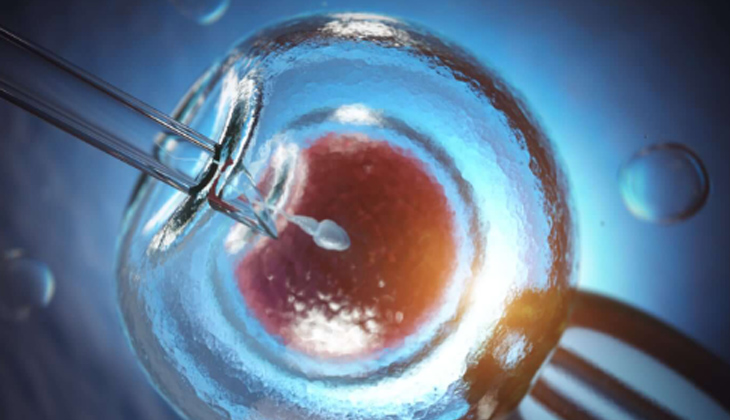
Fertilization: The retrieved eggs are then combined with sperm in the laboratory. This can be done via conventional insemination or through intracytoplasmic sperm injection (ICSI), where a single sperm is injected directly into an egg.
Embryo Culture: The fertilized eggs, now embryos, are cultured for several days to monitor their development. The embryologist selects the best quality embryos for transfer.
Embryo Transfer: One or more embryos are transferred into the uterus. This is a relatively simple procedure that typically does not require anesthesia.
Pregnancy Testing: After about two weeks, a blood test is done to determine if implantation has occurred and if the patient is pregnant.
4. What to Expect During IVF Treatment
Preparation and Monitoring: Before starting IVF, you may undergo a series of tests to assess your reproductive health. During the stimulation phase, frequent monitoring helps ensure the treatment is progressing as planned.
Emotional and Physical Aspects: IVF can be physically and emotionally demanding. Hormonal medications may cause side effects, and the emotional ups and downs can be challenging. It’s important to seek support from your healthcare team and loved ones.
Success Rates: IVF success rates vary based on factors such as age, fertility issues, and the clinic's expertise. While success is not guaranteed, many people achieve successful pregnancies with IVF.
Costs and Considerations: IVF can be expensive, and costs may vary depending on the clinic and location. It’s essential to understand the financial aspects and explore options for insurance coverage or financial assistance if needed.
5. Advances in IVF Technology
Recent advancements in IVF technology have significantly improved outcomes and patient experiences. Techniques such as preimplantation genetic testing (PGT) allow for the screening of embryos for genetic conditions before transfer, while improved culture media and embryo monitoring systems enhance success rates.
Conclusion
IVF has opened new possibilities for individuals and couples facing fertility challenges, offering a pathway to parenthood that was once out of reach for many. Understanding the IVF process, managing expectations, and seeking support can help make the journey smoother. If you’re considering IVF, consult with a fertility specialist to discuss your options and develop a personalized treatment plan. With advancements in technology and dedicated care, many people have successfully realized their dreams of having a family through IVF.