

ICSI Treatment: A Complete Guide to Intracytoplasmic Sperm Injection for Infertility
Introduction
Infertility is a common challenge for millions of couples around the world, including many in India. When natural conception doesn't happen, assisted reproductive technologies (ART) offer hope. One of the most effective options for cases involving male infertility is Intracytoplasmic Sperm Injection (ICSI)—a specialized form of IVF that dramatically improves fertilization chances by injecting a single healthy sperm directly into an egg.
If you're dealing with low sperm count, poor sperm movement (motility), abnormal sperm shape (morphology) or have faced previous IVF failures, ICSI can be a game-changer. This guide explains what ICSI is, how it works, who should consider it, success rates, risks, and costs—so you can make informed decisions about your fertility journey.
1. Why ICSI Helps
| Reason | Why ICSI Helps |
|---|---|
| Low Sperm Count | Only one healthy sperm is needed per egg |
| Poor Sperm Motility | Sperm that can't swim well are placed directly inside the egg |
| Abnormal Sperm Morphology | ICSI bypasses shape issues that block natural fertilization |
| Previous IVF Failure | Better fertilization rates when IVF didn't work before |
| Obstructive Azoospermia | Sperm retrieved surgically from testes/epididymis can be used |
| Frozen Sperm Samples | ICSI works well with stored or frozen sperm |
2. What Is ICSI Treatment?
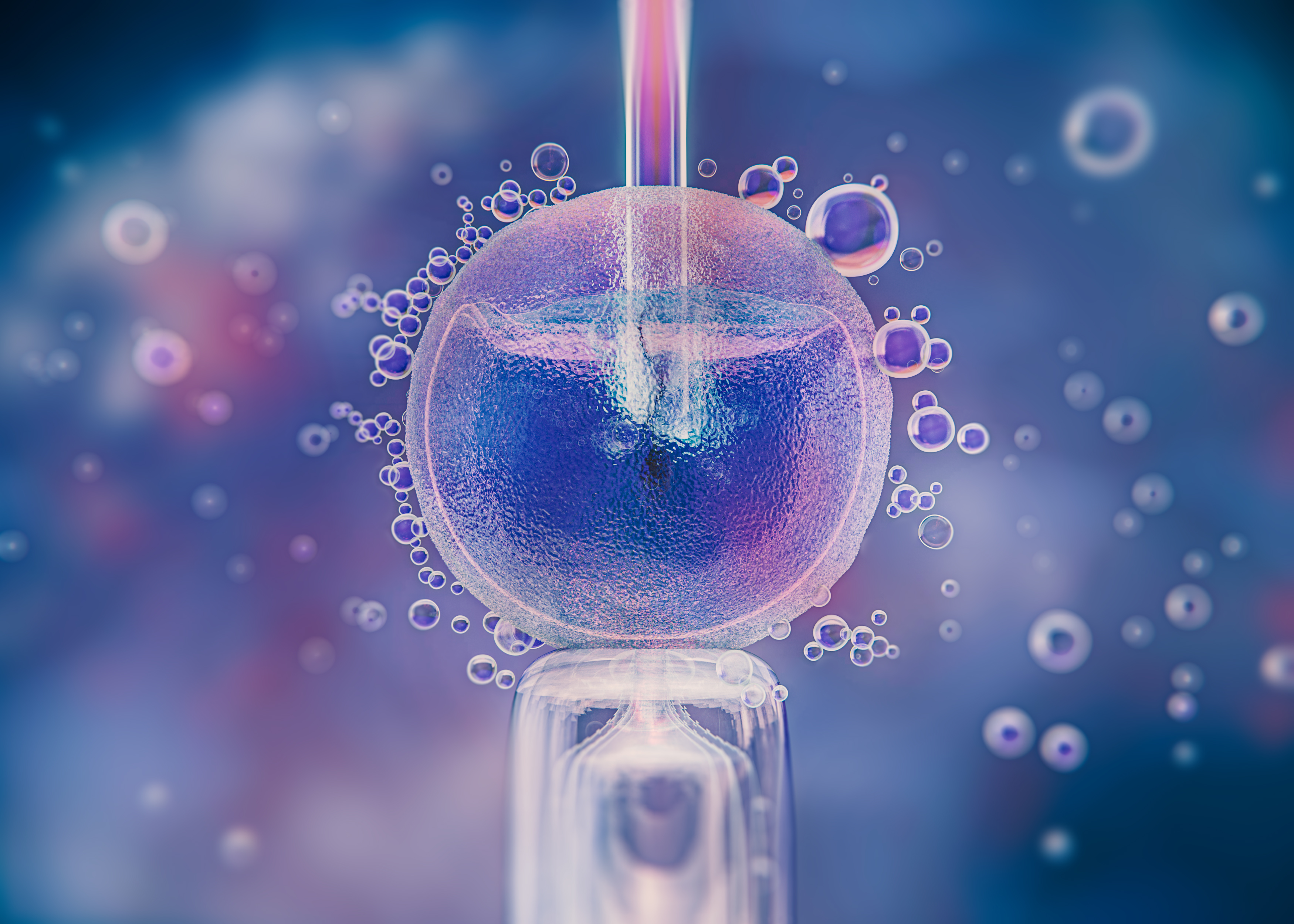
Intracytoplasmic Sperm Injection (ICSI) is an advanced fertility technique used during an IVF cycle. In traditional IVF, sperm and eggs are placed together in a dish and fertilization happens naturally. In ICSI, an embryologist picks one healthy sperm and injects it directly into the cytoplasm (inner part) of a mature egg.
ICSI was first introduced in the early 1990s and has transformed treatment for male-factor infertility. Today, it's widely available in fertility clinics across India and globally.
3. Why Do Doctors Recommend ICSI?
Doctors may suggest ICSI when standard fertilization methods are unlikely to succeed. Common reasons include male-factor infertility such as low sperm count, poor motility or abnormal morphology, previous failed IVF cycles, use of surgically retrieved or frozen sperm, and cases where preimplantation genetic testing (PGT) is planned.
4. How Does ICSI Treatment Work? (Step-by-Step)
ICSI is done as part of an IVF cycle and typically follows these steps:
- Ovarian Stimulation The woman takes fertility medications to produce multiple mature eggs. Ultrasounds and blood tests monitor progress.
- Egg Retrieval Mature eggs are collected via a minimally invasive procedure under mild sedation.
- Sperm Collection A semen sample is collected from the male partner. If ejaculation isn't possible, sperm may be retrieved surgically.
- Sperm Selection An embryologist examines sperm under a high-powered microscope and selects the most active, healthy sperm.
- Intracytoplasmic Sperm Injection Using specialized equipment, a single sperm is injected directly into each mature egg.
- Fertilization Monitoring Eggs are checked 16–18 hours later to confirm fertilization.
- Embryo Development Fertilized eggs grow into embryos over 3–5 days in a controlled lab.
- Embryo Transfer One or more healthy embryos are placed into the uterus.
- Pregnancy Test About 2 weeks after transfer, a blood test confirms pregnancy.
5. Benefits of ICSI Treatment
- Higher Fertilization Rates: Direct injection significantly boosts fertilization, especially in male infertility cases.
- Effective for Severe Male Infertility: One of the most successful treatments for low count, poor motility or abnormal morphology.
- Bypasses Natural Barriers: Overcomes obstacles preventing sperm from reaching or penetrating the egg.
- Works with Surgically Retrieved Sperm: Even a tiny number of sperm can be used successfully.
- Improved Outcomes After IVF Failure: Couples with prior fertilization failures often succeed with ICSI.
- Widely Available: Most modern fertility centers in India offer ICSI.
6. Who Is a Good Candidate for ICSI?
ICSI may be suitable for:
- Men with low sperm count
- Men with poor sperm motility
- Men with abnormal sperm morphology
- Couples with unexplained infertility
- Couples with previous IVF fertilization failure
- Men requiring surgical sperm retrieval
- Cases using frozen sperm samples
- Couples planning preimplantation genetic testing (PGT)
A fertility specialist will evaluate your specific situation and recommend the best approach.
7. Risks and Limitations of ICSI
While ICSI is safe and effective, consider these potential risks:
- Egg Damage: A small percentage of eggs may be damaged during injection.
- Fertilization Failure: Rare, but some eggs may not fertilize even after ICSI.
- Multiple Pregnancy: Transferring multiple embryos increases risk of twins or higher-order pregnancies.
- Emotional Stress: The fertility process can be emotionally challenging.
- Higher Cost: ICSI is usually more expensive than conventional IVF due to specialized lab techniques.
8. ICSI vs IVF: Key Differences
| Aspect | IVF | ICSI |
|---|---|---|
| Fertilization Method | Sperm and egg mixed naturally | Single sperm injected into egg |
| Male Infertility | Less effective | Highly effective |
| Sperm Requirement | Large number of healthy sperm needed | Only one sperm per egg |
| Fertilization Assistance | Natural selection | Direct assistance |
| Best For | General infertility | Male-factor infertility & IVF failure |
9. Preparing for ICSI Treatment
Proper preparation improves success chances:
- Maintain a Healthy Lifestyle: Balanced diet, regular exercise, healthy weight, hydration.
- Avoid Smoking & Alcohol: Both partners should quit smoking and limit alcohol.
- Follow Medical Advice: Take medications as directed and attend all appointments.
- Manage Stress: Yoga, meditation or counseling can support emotional well-being.
10. Recovery After ICSI
Most women recover quickly after egg retrieval and embryo transfer. Temporary symptoms may include mild cramping, bloating, fatigue, and light spotting. Normal daily activities can usually resume soon, though strenuous exercise may be restricted temporarily. Follow your fertility specialist's instructions during the waiting period before the pregnancy test.
11. The Future of ICSI Treatment
Reproductive medicine continues to advance with innovations like time-lapse embryo monitoring, genetic testing (PGT), AI-based embryo selection, and advanced sperm selection techniques. These technologies are helping specialists achieve even better success rates. ICSI will remain a cornerstone treatment for male infertility and complex reproductive challenges.
Conclusion
ICSI has transformed fertility care by offering an effective solution for couples struggling with male-factor infertility and fertilization challenges. By injecting a single healthy sperm directly into an egg, ICSI significantly improves fertilization and pregnancy chances.
Whether you're dealing with low sperm count, poor motility, abnormal morphology or previous IVF failure, ICSI offers hope for parenthood. Consulting an experienced fertility specialist will help determine if ICSI is the right choice based on your medical history and fertility needs.
FAQs
ICSI stands for Intracytoplasmic Sperm Injection, an advanced fertility procedure used during IVF.
ICSI provides higher fertilization rates in male infertility cases, but overall pregnancy success depends on multiple factors like age and egg quality.
A complete ICSI cycle typically takes 4–6 weeks from ovarian stimulation to pregnancy testing.
The injection itself is done in the lab. Patients experience minimal discomfort during egg retrieval and embryo transfer.
Yes, ICSI is commonly performed using frozen or surgically retrieved sperm.
ICSI is recommended for couples facing male-factor infertility, previous IVF fertilization failure or specific reproductive challenges.